
EDITOR’S NOTE
NATO’s October trials in Latvia connected sensing, networks, command and response. Europe’s planned test hubs seek to turn operational lessons into repeatable evaluation. NATO’s new marketplace is designed to shorten procurement. Each addresses a different part of the same interval.

From Battlefield Innovation to Industrial Capacity: Can Europe Keep Pace?
Cooperation between Ukrainian and British defence firms, alongside the European Defence Agency’s planned technology hubs, points to an effort to connect battlefield experience with repeatable testing and procurement. This article argues that turning innovation into deployable capability requires evidence of performance, production capacity, sustainment and interoperability.
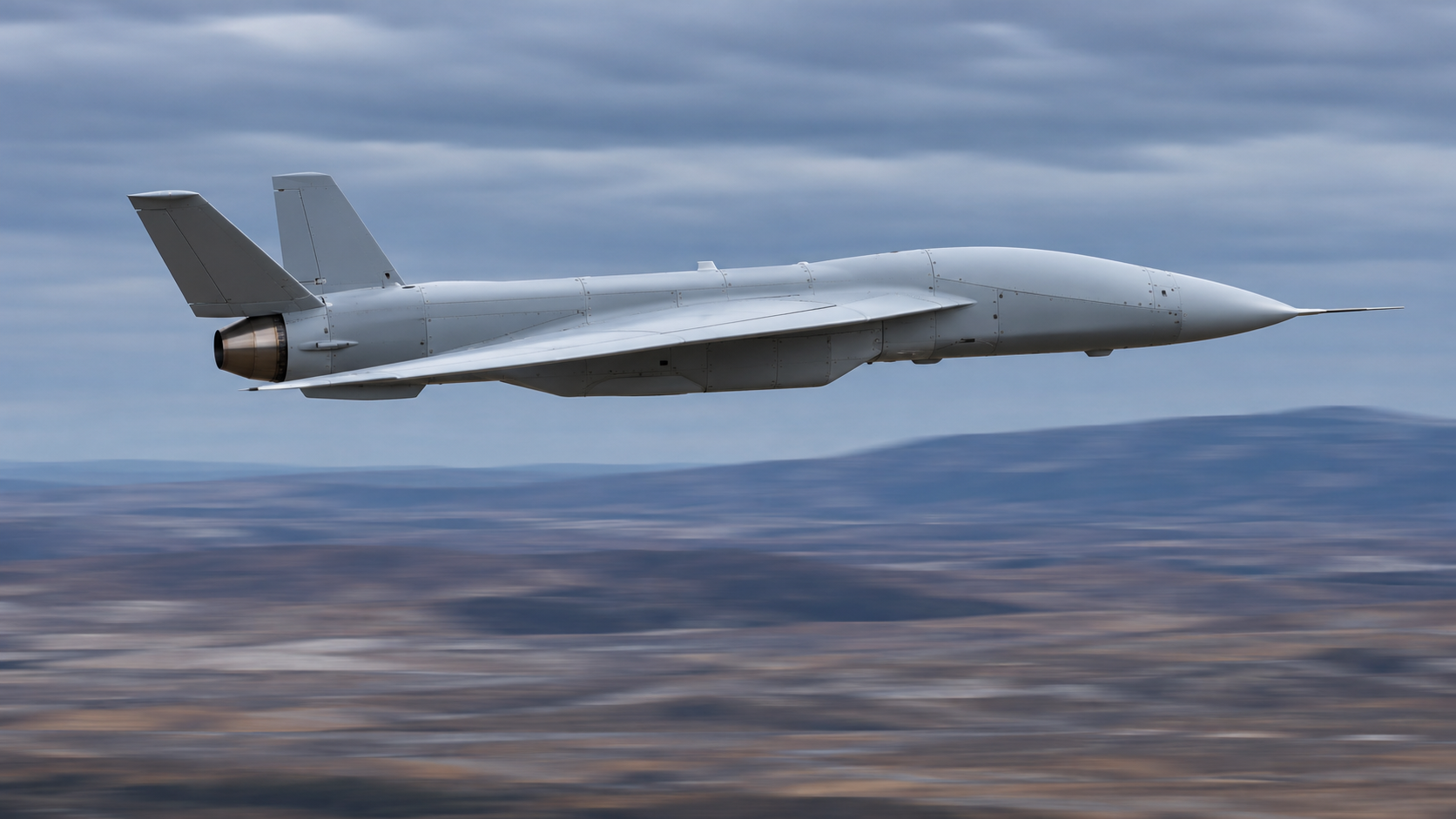
The Shrinking Window: How Jet Propulsion Is Changing the Drone Spear
The growing use of jet-powered attack drones in the Russia–Ukraine war is placing greater pressure on warning and interception timelines. As higher speed combines with advances in autonomous navigation and guidance, detecting, tracking and responding to threats may become more demanding. This article examines the implications for defensive systems and the cost of interception.


From Detection to a Decision That Can Be Trusted: 5G, Passive Detection and the AI Decision Chain
NATO’s experiments in Latvia highlighted the challenge of connecting sensors, communications, command systems and effectors in one operational chain. A large demonstration alone, however, does not establish track continuity, false-alarm rates or performance under degraded communications. This article examines the evidence needed to assess sensor fusion and AI-enabled decision support.

The Legal Gap in Counter-Drone Defence: Who May Act, and Under What Authority?
Counter-drone equipment cannot ensure a timely response when detection, decision-making and authority are divided among different organisations. This article examines how responsibility for validating a threat, selecting and authorising a response, and managing the aftermath should be assigned and rehearsed in advance. It also considers safety and continuity at civilian critical infrastructure sites.
WHAT TO WATCH
This week, we track Europe’s drone-security agenda at the EU Drone Summit and preparations for post-war support to Ukraine through Poland’s multinational Koalicja exercise. We also follow implementation of NATO’s counter-drone marketplace, the evidence emerging from FUSE and DiBaX26, and changes in the speed and tactics of the Russia–Ukraine drone campaign.
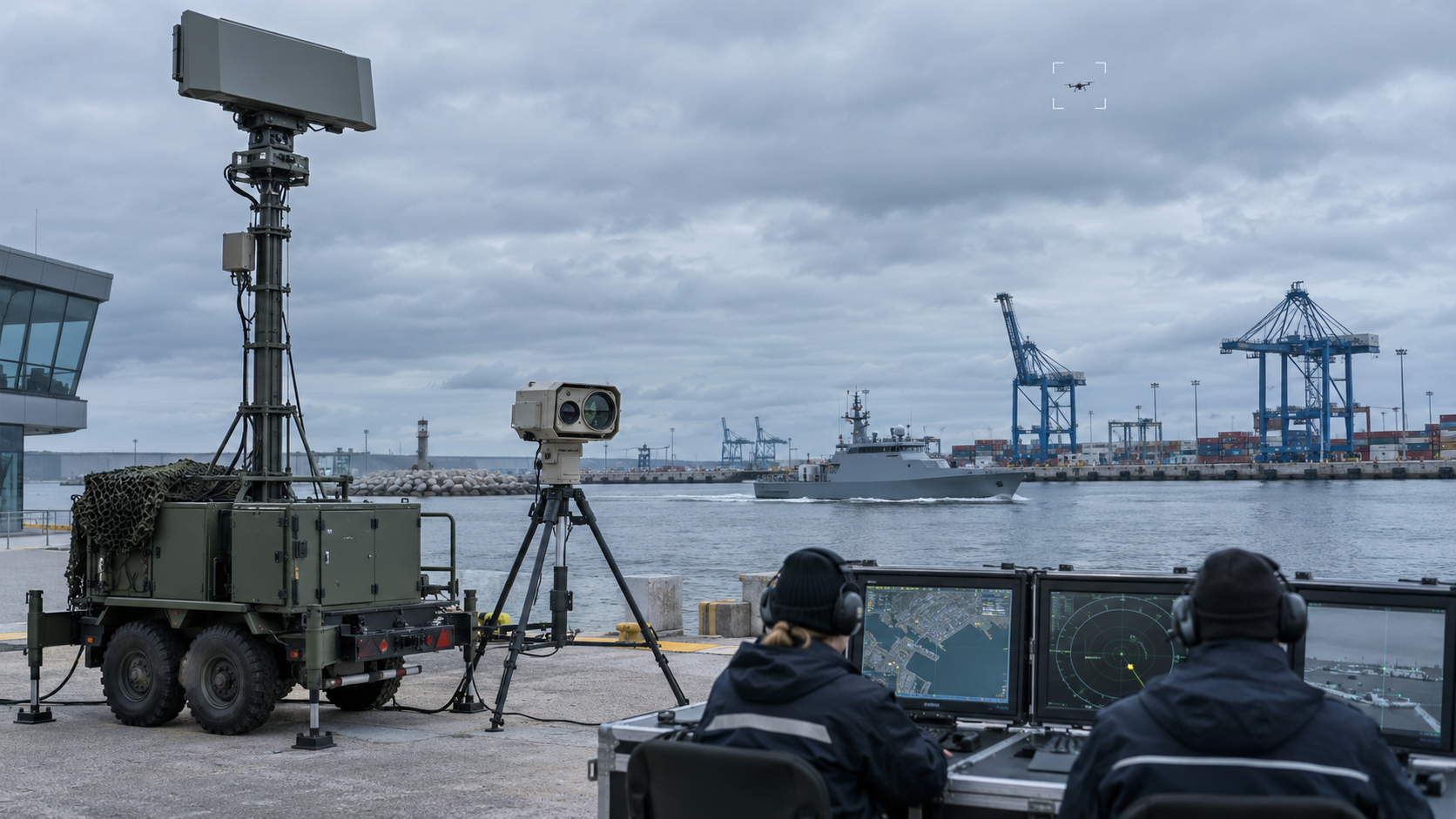
Beyond the Catalogue: Where Should NATO Look for Counter-Drone Capability?
NATO’s counter-drone marketplace may speed access to equipment, but a catalogue alone cannot deliver an integrated defence. This article argues for looking beyond Europe to the operational experience and technologies of partners such as the United States and South Korea, while judging potential acquisitions by interoperability, test evidence and long-term support.